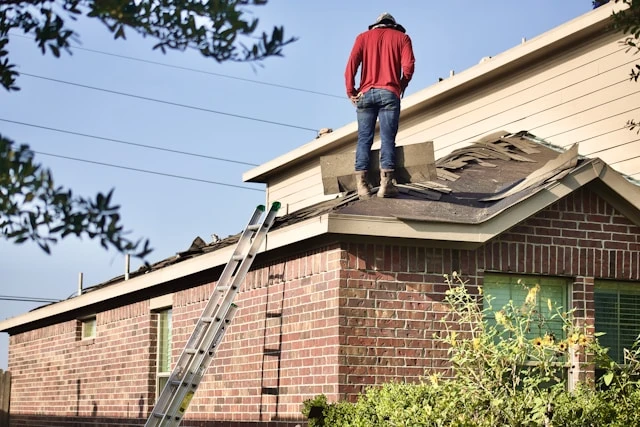

It's usually the second question people ask me, right after "Is my damage covered?" And it's a fair one. You've just had a fire, a roof leak, or a storm tear through your home. The last thing you want is another bill.
The short answer: in Texas, a public adjuster is typically paid a percentage of the insurance settlement, there's usually nothing to pay upfront, and state law caps the fee at 10%.
The longer answer is where the useful details live—what the percentage applies to, how it plays out in real dollars, and when hiring one simply doesn't make financial sense. Let's walk through all of it.
How Public Adjusters Get Paid: The Contingency Fee Model
Most public adjusters work on contingency. That means the fee is a percentage of the money recovered on your claim. If there's no recovery, there's no fee.
In practice, that usually looks like this:
- No upfront retainer. You don't write a check to get started.
- No hourly billing. Inspections, estimates, phone calls, and meetings with the carrier's adjuster aren't billed separately.
- Paid from the settlement. The fee comes out when insurance proceeds are issued, often because the public adjuster is named on the check along with you and your mortgage company.
This structure ties the adjuster's income to your outcome. A public adjuster who doesn't move the claim forward doesn't get paid much—and that's exactly how it should be.
The Texas Fee Cap: 10% of the Settlement
Texas is one of the states that caps public adjuster compensation by law. Under Texas Insurance Code §4102.104, a public adjuster's fee may not exceed 10% of the amount of the insurance settlement on the claim.
That's a ceiling, not a standard rate. Fees can be lower, and the percentage, along with how it's calculated, should be spelled out clearly in your written contract before any work begins.
If anyone asks you for more than 10% of your Texas insurance settlement, or asks for money upfront before anything is recovered, stop and ask questions before you sign anything.
Dealing with a claim right now? A licensed Sugar Land public adjuster can review your estimate for free.
Call +1 (832) 503-5866What the Percentage Typically Applies To
The fee generally applies to insurance money paid on the claim the public adjuster is handling. Depending on the claim, that might include:
- Dwelling (structure) payments
- Other structures, like fences and detached garages
- Personal property (contents)
- Additional Living Expense or loss of use
- Recoverable depreciation released after repairs
- For businesses, business income or extra expense
Your contract should make clear which payments are included. Read that section carefully and ask about anything that isn't obvious.
What about money the insurer already paid?
This is one of the most important things to ask about if you're bringing in a public adjuster after the carrier has already issued a payment or an estimate. Some contracts calculate the fee only on new money recovered after the adjuster is hired. Others are structured differently.
Don't assume. Ask directly: "Does your fee apply to payments made before I hired you?" Then make sure the answer is written into the contract. A reputable adjuster will explain this without hesitation.
Worked Examples: What You Actually Net
Percentages are abstract. Dollars aren't. The examples below are hypothetical—round numbers chosen to show how the math works, not results from any real claim. Every claim is different, and no adjuster can promise a particular outcome.
Hypothetical example: a roof and interior water claim
Say the insurer's initial estimate is $18,000. After a fresh inspection, a detailed estimate, and a supplement for missed items, the claim settles at $41,000. Here's how the fee could play out under two different contract structures, each at 10%:
| Scenario (hypothetical) | Total settlement | Fee basis | Fee at 10% | Homeowner nets |
|---|---|---|---|---|
| Accept insurer's offer, no public adjuster | $18,000 | — | $0 | $18,000 |
| Public adjuster, fee on full settlement | $41,000 | $41,000 | $4,100 | $36,900 |
| Public adjuster, fee only on amount above the $18,000 offer | $41,000 | $23,000 | $2,300 | $38,700 |
In this hypothetical, the homeowner comes out well ahead either way. But notice how much the fee basis matters—the same 10% produces a $1,800 difference depending on contract terms.
Hypothetical example: a claim that barely moves
Now picture a claim where the insurer offers $9,000 and a fuller review only gets it to $10,000. At 10% of the full settlement, the fee is $1,000 and the homeowner nets $9,000—exactly where they started. That's why claim size and the gap you suspect matter so much.
Try your own numbers with our public adjuster fee calculator, or estimate what your claim may be worth with the insurance claim settlement calculator.
When Hiring a Public Adjuster Doesn't Make Sense
I'd rather tell you not to hire me than take a claim where the math doesn't work for you. Representation usually isn't worth it when:
- The damage is close to your deductible. If total damage is only slightly above a wind/hail deductible, there's little room for any fee to pay for itself.
- The insurer's estimate already matches your contractor's. If the scope is complete and pricing is fair, there may be nothing to add.
- The claim is small and clearly covered. A straightforward minor loss handled promptly and fairly doesn't need an advocate.
On the other hand, larger losses—fire, major water, hurricane, commercial, or claims that have been denied or underpaid—are where a public adjuster tends to earn the fee. Our post on why use a public adjuster goes deeper on that question.
Questions to Ask Before You Sign
A public adjuster contract is a binding agreement. Before signing, ask:
- What exact percentage do you charge, and on which payments?
- Does the fee apply to money the insurer paid before I hired you?
- Does the fee apply to recoverable depreciation, ALE, or contents?
- What happens if I want to cancel? How much time do I have, and how do I do it?
- Who will actually inspect my property and handle my claim day to day?
- How will you keep me updated, and how often?
- What happens if the claim goes to appraisal or I need to hire an attorney?
- Can I see your Texas license number?
If you want a fuller checklist, read the smart homeowner's guide to finding the right public adjuster.
Check the License With the Texas Department of Insurance
Public adjusters must be licensed by the Texas Department of Insurance (TDI) to work on Texas claims. Before you hire anyone, look them up using TDI's online license lookup. Confirm that:
- The license is a public adjuster license and it's active
- The name matches the person and firm you're dealing with
- You're comfortable with anything else the lookup shows
It takes a couple of minutes and it's the single most important step in vetting anyone who wants to represent your claim.
Red Flags to Watch For
Most adjusters are professionals doing honest work. But after big storms, the bad actors show up too. Walk away if you see:
- A request for an upfront payment or "filing fee"
- A fee above 10% of the settlement
- Pressure to sign immediately, especially at your door right after a storm
- Guarantees about how much your claim will pay
- Vague answers about what the fee applies to
- A contractor offering to "handle your claim" in addition to doing the repairs—Texas law restricts public adjusters from also performing repair work on claims they handle
- No license number, or a license you can't verify
Bottom Line: Focus on the Net, Not Just the Percentage
The right question isn't "How much does a public adjuster cost?" It's "Will I end up with more money in my pocket after the fee?" For a modest, fairly handled claim, the answer may be no. For a significant loss that's been underscoped or denied, the answer is often yes.
When you talk to a public adjuster in Sugar Land or anywhere in Texas, expect a straight answer on fees and an honest opinion on whether your claim is a good fit. As a Sugar Land public adjuster, that's the conversation I want to have before anyone signs anything. Comparing Sugar Land public adjusters? Ask each one the same questions above and compare the answers in writing.
If you've been searching for a public adjuster Sugar Land homeowners can talk to without pressure, and you'd like a free look at your claim and a frank opinion on whether representation makes sense, contact us.
Frequently Asked Questions
What is the maximum a public adjuster can charge in Texas?
Texas Insurance Code §4102.104 caps a public adjuster's fee at 10% of the amount of the insurance settlement on the claim. Fees can be lower than that; 10% is the ceiling.
Do I have to pay a public adjuster anything upfront?
Typically no. Public adjusters usually work on contingency and are paid a percentage of the settlement when insurance proceeds are issued. Be cautious of anyone asking for money before the claim pays.
Does the fee apply to money my insurer already paid?
It depends on the contract. Some contracts apply the fee only to amounts recovered after the adjuster is hired. Ask directly and make sure the answer is in writing before you sign.
Is a public adjuster worth it for a small claim?
Often not. If damage is close to your deductible or the insurer's estimate already reflects the full scope and fair pricing, a fee may cost more than it recovers. A reputable adjuster will tell you that upfront.
How do I verify a public adjuster's license in Texas?
Use the Texas Department of Insurance online license lookup. Confirm the person holds an active public adjuster license and that the name matches the person and firm you're working with.
Is the public adjuster fee calculated before or after my deductible?
The fee is generally based on the insurance settlement, meaning the money the insurer actually pays. Your contract should explain the calculation; ask for an example using your own numbers.
Can I cancel a public adjuster contract?
Contracts include cancellation terms, and you should understand them before signing. Ask how much time you have to cancel, how to do it, and whether any fee applies to money already recovered.