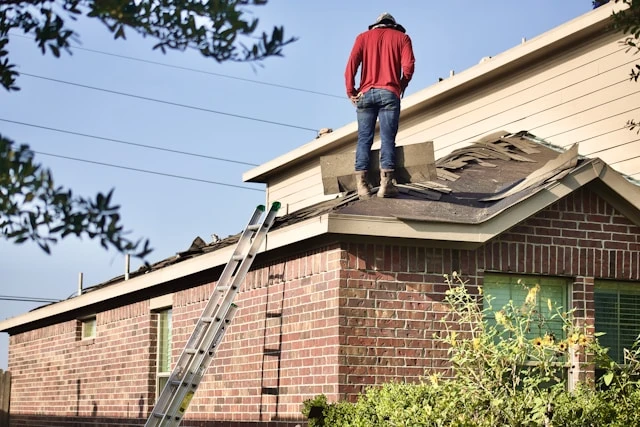

Hail is sneaky. A storm rolls through Sugar Land on a spring afternoon, it's loud for ten minutes, and then the sun comes back out. From the driveway, the roof looks fine. Nobody's ceiling is leaking.
So most homeowners do nothing. Months later, the roof starts shedding granules, a shingle cracks, or a neighbor's roofer points out the dents in the gutters—and by then the claim is harder to prove.
I've seen hail claims go sideways for one simple reason: nobody looked closely until it was late. This guide covers what hail damage actually looks like, how insurers evaluate it, and how Sugar Land and Fort Bend County homeowners can get a hail claim paid correctly.
Hail Season in Southeast Texas
Severe weather in Southeast Texas peaks in spring, when warm, humid Gulf air collides with cold fronts and drylines moving in from the west. That setup produces the strong thunderstorms that drop hail across the Houston area, including Sugar Land, Missouri City, Richmond, Rosenberg, and the rest of Fort Bend County. Hail can happen at other times of the year too, but spring is when you should be paying attention.
You can review recent conditions on our Sugar Land weather page and past events on our Sugar Land storm history page. Those dates matter later, when you need to tie your damage to a specific storm.
What Hail Damage Actually Looks Like
Hail doesn't always punch holes. Most of the time, the damage is subtle and easy to miss from the ground.
Asphalt shingles
- Bruising: Soft spots that feel spongy when pressed, where the impact fractured the shingle's fiberglass mat underneath the surface.
- Granule loss: Dark, circular spots where granules were knocked off, exposing the asphalt below.
- Cracks and fractures: Radial cracks from the point of impact, sometimes visible only on the underside.
Soft metals and collateral damage
"Soft metals" are often the easiest place to see evidence of hail, and adjusters look at them to gauge hail size and direction:
- Dents in gutters, downspouts, and roof vents
- Dents in flashing, ridge vents, and turbine vents
- Crushed or bent fins on AC condenser units
- Torn or punctured window screens
- Cracked, chipped, or holed siding, especially vinyl
- Cracked skylights and dented garage doors
- Spatter marks on fences, decks, and painted surfaces
Collateral damage like this doesn't prove the roof was damaged on its own, but it's strong supporting evidence that a hail event hit your property.
Dealing with a claim right now? A licensed Sugar Land public adjuster can review your estimate for free.
Call +1 (832) 503-5866How Insurers Evaluate Hail Damage
Test squares
Many field adjusters use "test squares"—typically a 10-by-10-foot area marked on each slope of the roof—and count the hail hits inside it. Some carriers look for a minimum number of hits per square before they'll approve a slope for replacement. If your roof falls just short of that number, you may get a partial repair offer instead.
Test squares are a sampling method, not a law of nature. Damage often isn't uniform: the slopes facing the storm's direction typically take more hits. Make sure every slope was actually inspected.
Functional vs. cosmetic damage
This distinction drives a lot of hail disputes. Functional damage affects the roof's ability to shed water or shortens its life—fractured mats, cracks, punctures, significant granule loss. Cosmetic damage changes appearance without affecting function, such as small dents in metal roofing.
Some Texas policies include a cosmetic damage exclusion or endorsement, particularly for metal roofs, that limits coverage for damage that is only cosmetic. Check your declarations page and endorsements so you know whether that language applies to you.
Roof Age, ACV Schedules, and Repair vs. Replacement
Your roof's age can affect a hail claim as much as the damage itself.
Replacement cost vs. actual cash value
Under a replacement cost policy, the insurer often pays actual cash value first and holds back depreciation until the work is complete. Under an actual cash value (ACV) roof schedule, which some Texas policies use, the roof payment is reduced based on age—and on an older roof, that reduction can be substantial and may not be recoverable.
| Policy setup | What you typically receive for a hail-damaged roof |
|---|---|
| Replacement cost on the roof | Actual cash value first, then withheld depreciation after repairs are completed and documented |
| ACV roof schedule or roof payment schedule | A payment reduced by a schedule based on roof age and material; depreciation is generally not recovered later |
| Cosmetic damage exclusion | No payment for damage deemed cosmetic only; functional damage still evaluated |
Our depreciation calculator can help you estimate how age affects the numbers.
Repair or replace?
Insurers often propose replacing individual shingles or a few slopes. That may be appropriate. But brittle older shingles can break during spot repairs, and discontinued products may not be available. Those practical problems are part of the conversation about whether repair is really feasible.
Matching
When only part of a roof or wall is replaced, the new materials may not match the old. How matching is handled depends heavily on your policy language and the specific facts. It's worth raising if new shingles or siding would clearly not match what remains.
Reporting Deadlines and Documentation
Many Texas policies require weather-related claims, including hail, to be reported within one year of the storm. Some policies have different language, so check yours. Waiting also makes it harder to separate one storm's damage from another's.
How to document hail damage
- Note the date and time of the storm, and save local weather alerts or news reports.
- Photograph hailstones next to a coin or ruler, if you can do so safely.
- Take date-stamped photos of gutters, vents, AC fins, screens, siding, and any interior leaks.
- Don't climb on the roof yourself. Have a qualified roofer inspect it and photograph damage, slope by slope.
- Gather storm data showing hail reported near your address on that date.
- Keep everything—photos, roofer reports, emails, and notes from calls with the insurer.
Hail damage that isn't documented close to the storm date is easy for an insurer to attribute to age, wear and tear, or a different event. Photograph soft metals the same week—dents don't lie, and they don't fade.
Why Contractor and Insurer Estimates Don't Match
It's common for a roofer's bid to come in well above the insurer's estimate. The gap usually comes from a handful of places:
- Fewer slopes or squares approved than the roofer measured
- Missing items: drip edge, starter strip, ridge cap, underlayment, ice and water shield where needed
- Steep or high roof charges left out
- Code-required items not included
- Gutters, screens, AC fins, or siding left off the estimate
- Pricing that doesn't reflect local labor and material costs
Line up both estimates side by side and go item by item. Our insurance claim settlement calculator can help you organize the numbers. When the gap is real, you can ask for a re-inspection, submit a supplement with documentation, or both.
Appraisal Clause Basics
Most homeowners policies include an appraisal clause for disputes over the amount of a loss. In general terms, each side selects an appraiser, the two appraisers choose an umpire, and an agreement by any two of the three sets the amount of loss.
Appraisal is usually about how much, not whether something is covered. It has costs, since each side generally pays its own appraiser and shares the umpire's fee. It can be useful when the insurer agrees there's hail damage but you disagree on the scope or price. Read your policy's appraisal provision before invoking it, and consider talking to a professional about whether it fits your situation.
How a Public Adjuster Helps With Hail Claims
A hail claim is evidence-driven. As a Sugar Land public adjuster, my job is to build that evidence and present it in a way the carrier has to address. That typically includes:
- Reviewing the policy for cosmetic exclusions, roof schedules, and deductibles
- Inspecting every slope and all collateral damage
- Tying the damage to a dated storm using weather data
- Preparing a detailed estimate with local pricing
- Negotiating supplements and re-inspections with the insurer
If you're looking for a public adjuster in Sugar Land for a hail claim, see our hail damage claims page. When comparing Sugar Land public adjusters, ask about licensing, fees, and how they document hail damage. Anyone searching "public adjuster Sugar Land" after a spring storm should verify the license with the Texas Department of Insurance first. Whether you hire a Sugar Land public adjuster or handle the claim yourself, the fundamentals are the same: inspect early, document thoroughly, and don't accept a scope you don't understand.
Frequently Asked Questions
How do I know if my roof has hail damage?
Look for dents in gutters, vents, and AC fins, torn screens, and granules collecting in downspouts. On shingles, damage often appears as dark spots of granule loss or soft, bruised areas. A qualified roofer or adjuster should inspect the roof itself.
How long do I have to file a hail claim in Texas?
Many Texas policies require weather-related claims like hail to be reported within one year of the storm, but policies vary. Check your policy for its exact reporting language and report as soon as you can.
What is a cosmetic damage exclusion?
It's policy language, often an endorsement, that limits coverage for damage that changes appearance but doesn't affect function, such as small dents in metal roofing. Functional damage is generally still evaluated. Check your declarations page and endorsements.
What is a test square?
A test square is a sample area, commonly 10 by 10 feet, marked on a roof slope where an adjuster counts hail hits. Some carriers use a minimum number of hits to decide whether a slope should be replaced.
Will my insurance pay for a full roof replacement after hail?
It depends on the extent of functional damage, whether repairs are feasible, and your policy terms, including any ACV roof schedule. Some claims result in full replacement; others in partial repairs.
Why is my roofer's estimate higher than the insurance estimate?
Common reasons include fewer slopes approved, missing items like drip edge or underlayment, omitted code items, and pricing differences. Compare both estimates line by line and submit documentation for anything missing.
What is the appraisal clause?
It's a policy provision for resolving disagreements over the amount of a loss. Each side picks an appraiser, the appraisers choose an umpire, and agreement by two of the three generally sets the amount. It usually doesn't decide coverage questions.