

Insurance claims can feel overwhelming. One moment everything in your home is normal, and the next you’re dealing with water damage, storm destruction, or fire loss. In those moments, homeowners quickly realize how complicated the insurance process can become. This is exactly where understanding how to find a public adjuster becomes incredibly valuable.
A public adjuster works for you, not the insurance company. Their job is to evaluate property damage, document losses, and negotiate with insurers to help secure a fair settlement. But choosing the right one matters. The difference between a knowledgeable adjuster and the wrong hire can dramatically affect your claim outcome.
If you’re a homeowner in Sugar Land dealing with property damage, learning how to find a public adjuster the right way can make the entire claims process smoother, faster, and potentially more successful.
Let’s walk through exactly how to do it.
Understanding What a Public Adjuster Does
Before diving into how to find a public adjuster, it’s important to understand their role.
A public adjuster is a licensed professional who represents policyholders during insurance claims. They inspect damage, calculate repair costs, prepare documentation, and negotiate with the insurance company on your behalf.
Many homeowners don’t realize that there are actually three types of adjusters involved in the insurance world.
| Type of Adjuster | Who They Work For | Primary Role |
| Insurance Company Adjuster | Insurance Company | Evaluates claims for the insurer |
| Independent Adjuster | Insurance Company | Contracted to assess claims |
| Public Adjuster | Policyholder | Represents the homeowner |
Only one of these works for you. That’s the public adjuster.
Knowing how to find a public adjuster who is qualified and trustworthy can make the claims process far less stressful.
When You Should Consider Hiring a Public Adjuster
Not every insurance claim requires professional representation. But many situations benefit greatly from expert guidance.
Homeowners often start researching how to find a public adjuster when dealing with complex or high-value claims.
Common scenarios include:
- Major storm damage
- Fire damage
- Hurricane damage
- Roof damage from hail
- Water damage from leaks or flooding
- Insurance claims that were denied
- Claims that appear underpaid
Large claims often involve detailed documentation, repair estimates, and negotiations with insurance adjusters. Handling all of that while dealing with property damage can be exhausting.
A qualified public adjuster helps shoulder that burden.
Why Finding the Right Public Adjuster Matters
Insurance companies process thousands of claims every year. Their goal is to resolve claims efficiently while managing costs.
Your goal is different. You want a settlement that fully reflects the damage to your home.
That’s why learning how to find a public adjuster who understands the process can be so valuable.
A skilled adjuster helps with:
- Detailed damage assessments
- Accurate repair cost estimates
- Thorough claim documentation
- Negotiating with insurance companies
- Preventing overlooked damages
When claims are properly documented, negotiations become much stronger.
However, hiring the wrong adjuster can cause problems such as delayed claims, miscommunication, or incomplete documentation. That’s why careful research matters.
Step-by-Step Guide on How to Find a Public Adjuster

Finding the right professional takes a little effort, but the process is manageable when you break it down.
Step 1: Start With Local Research
The first step in how to find a public adjuster is looking locally.
A professional familiar with Texas insurance regulations and regional weather patterns will better understand the types of claims common in Sugar Land.
Local adjusters also understand issues like:
- Hurricane damage
- Hailstorm roof damage
- Flood-related losses
- Texas insurance policies and laws
Start by searching for professionals who actively serve the Sugar Land and Fort Bend County area.
Step 2: Verify Licensing and Credentials
In Texas, public adjusters must be licensed by the state. This protects consumers and ensures the adjuster meets professional standards.
One of the most important steps in how to find a public adjuster is verifying that license.
Check for:
- Active state license
- Good standing with regulatory authorities
- Proper business registration
- Professional affiliations
Licensed professionals follow state rules regarding contracts, fees, and claim representation.
Step 3: Look for Experience With Your Type of Claim
Not all claims are the same.
Some adjusters focus heavily on commercial property. Others specialize in residential losses.
When learning how to find a public adjuster, look for someone with experience handling your specific type of claim.
Examples include:
- Fire damage claims
- Storm and hurricane damage
- Roof replacement claims
- Water and mold damage
- Large residential property losses
Experience often leads to stronger documentation and better claim preparation.
Step 4: Check Reviews and Reputation
Reputation matters. A lot.
Online reviews can reveal how an adjuster communicates, manages claims, and interacts with clients.
When researching how to find a public adjuster, review feedback from past homeowners.
Look for comments about:
- Responsiveness
- Professionalism
- Transparency
- Claim outcomes
- Communication during negotiations
Consistent positive feedback usually indicates a reliable professional.
Step 5: Schedule a Consultation
Many public adjusters offer initial consultations.
This is a valuable opportunity to ask questions and evaluate whether the adjuster is a good fit for your situation.
Important questions include:
- How long have you worked as a public adjuster?
- Have you handled claims similar to mine?
- What documentation will you prepare?
- How often will you provide updates?
- Who will manage my claim day-to-day?
Clear answers and honest communication are good signs.
Understanding Public Adjuster Fees
Many homeowners researching how to find a public adjuster worry about costs.
The good news is that most public adjusters work on a contingency basis.
This means they are paid a percentage of the insurance settlement.
Typical fee ranges can vary depending on claim complexity, but contingency fees often benefit homeowners because the adjuster only earns compensation if the claim is successfully settled.
Example Fee Structure
| Claim Settlement | Adjuster Fee Percentage | Example Fee |
| $40,000 | 10% | $4,000 |
| $80,000 | 10% | $8,000 |
| $150,000 | 8-10% | $12,000–$15,000 |
Always review the contract carefully and ensure the fee structure is clearly explained.
Red Flags to Watch Out For
While researching how to find a public adjuster, homeowners should also watch for warning signs.
Avoid professionals who:
- Demand large upfront payments
- Pressure you to sign contracts immediately
- Refuse to show licensing information
- Make unrealistic promises about settlement amounts
- Lack verifiable reviews or references
A trustworthy adjuster will give you time to review documents and make informed decisions.
Signs of a Reliable Public Adjuster
The best professionals share certain characteristics.
When evaluating how to find a public adjuster, look for someone who demonstrates:
- Clear communication
- Detailed explanations of the claims process
- Strong documentation practices
- Transparency about fees
- Professional credentials
- Consistent updates during the claim
Reliable adjusters take time to educate homeowners about their options.
What Happens After You Hire a Public Adjuster
Once you’ve completed the process of how to find a public adjuster and selected one, the real work begins.
The claim process typically includes several stages.
Initial Property Inspection
The adjuster evaluates damage, photographs the property, and gathers evidence to support the claim.
Policy Review
Your insurance policy is carefully reviewed to determine coverage limits, exclusions, and applicable protections.
Damage Documentation
A detailed damage estimate is created, often including contractor estimates and repair costs.
Claim Submission
All documentation is submitted to the insurance company to begin negotiations.
Negotiation Process
The public adjuster communicates directly with the insurance company’s adjusters to reach a fair settlement.
This process can take time, but thorough documentation often strengthens the claim significantly.
Benefits of Hiring a Public Adjuster
Many homeowners discover the benefits of professional claim representation after experiencing the insurance process firsthand.
Learning how to find a public adjuster provides advantages such as:
- Reduced stress during claims
- Professional claim documentation
- Accurate damage assessments
- Negotiation experience
- Better understanding of insurance policies
For large or complicated claims, professional representation can make the entire process easier to manage.
Special Considerations for Sugar Land Homeowners
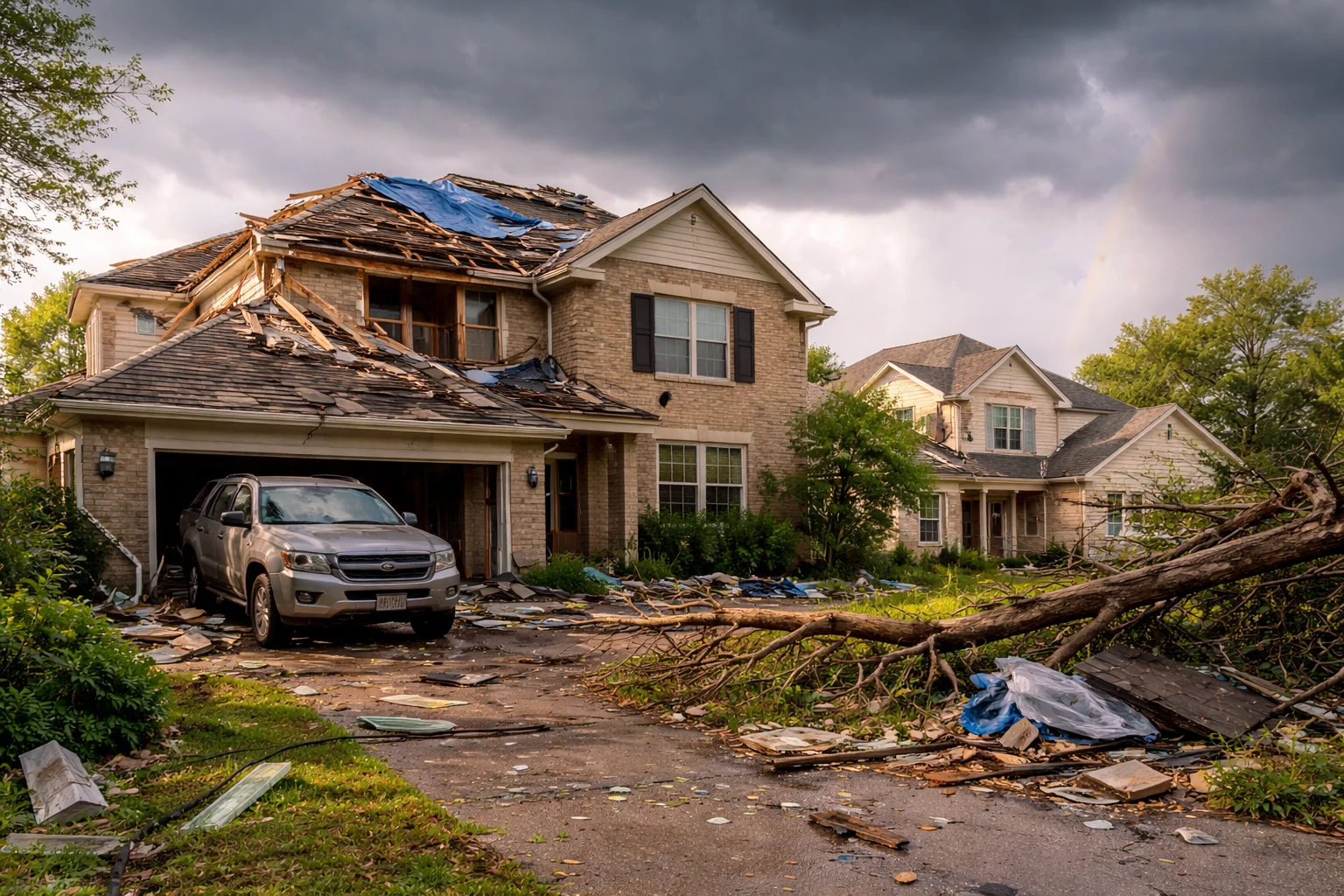
Sugar Land residents face several unique property risks due to regional weather patterns.
These include:
- Severe thunderstorms
- Hailstorms
- Hurricane-related damage
- Flooding risks
Because of these risks, homeowners often encounter significant property claims.
When researching how to find a public adjuster, choosing a professional familiar with Texas weather damage claims can be especially helpful.
Local professionals understand regional building costs, insurance requirements, and common storm-related damage patterns.
Quick Checklist for Hiring a Public Adjuster
If you’re beginning your search, use this quick reference checklist.
| Step | What to Check |
| Verify License | Confirm the adjuster is licensed in Texas |
| Check Reviews | Read client feedback online |
| Evaluate Experience | Look for claim-specific expertise |
| Ask Questions | Understand the claims process |
| Review Contract | Ensure fees and responsibilities are clear |
Following these steps simplifies the process of how to find a public adjuster and reduces the risk of hiring the wrong professional.
Final Thoughts
Property damage can be stressful. Insurance claims can feel even more complicated.
But homeowners don’t have to face the process alone.
Understanding how to find a public adjuster gives you the tools to choose the right professional and navigate your claim with confidence. The right adjuster can help document damages thoroughly, communicate with the insurance company effectively, and work toward a fair settlement.
Take your time. Research carefully. Ask questions.
Because when it comes to protecting your home and your financial recovery, choosing the right advocate can make all the difference!
FAQs
A public adjuster is a licensed professional who represents policyholders during insurance claims, helping evaluate damage and negotiate with insurance companies.
You may benefit from a public adjuster if your property damage is significant, your claim is complex, or your insurance company has denied or underpaid your claim.
Most public adjusters work on a contingency basis, meaning they receive a percentage of the final insurance settlement rather than charging upfront fees.
For large or complicated claims, a public adjuster can help ensure damages are properly documented and may improve the chances of receiving a fair settlement.
Yes, public adjusters in Texas must be licensed through the Texas Department of Insurance and follow state regulations.
In some cases, yes. If additional damage is discovered or new evidence is presented, a public adjuster may help request a claim review.
The timeline varies depending on the complexity of the claim, but having a public adjuster can help keep documentation organized and negotiations moving forward.
Ask about their licensing, experience with similar claims, fee structure, communication process, and who will manage your claim.
Yes, homeowners can hire a public adjuster at any stage of the claims process, even after the claim has already been filed.
Avoid professionals who pressure you to sign contracts quickly, request large upfront payments, or cannot provide proof of licensing.